


Views: 0 Author: Site Editor Publish Time: 2026-02-05 Origin: Site


Unexpected engine failure rarely happens at a convenient time. When a piece of construction or industrial equipment suddenly stops working, the cost is not limited to repairs alone. Projects may be delayed, operators may be left idle, and contractual penalties can quickly exceed the price of the engine itself. For many buyers, understanding used engine cost becomes the most practical starting point when deciding how to restore equipment operation as quickly and safely as possible. At KELUO, we regularly work with customers who are facing tight timelines and fixed budgets, and we see firsthand how a clear understanding of engine pricing helps them move from hesitation to action with confidence.
One of the most common misunderstandings in the market is assuming that the listed price of a used engine represents the full investment. In reality, the engine itself is only one part of the total cost structure. A clear breakdown helps buyers evaluate value rather than simply comparing numbers.
A long block engine generally includes the main internal components, such as the engine block, crankshaft, pistons, and cylinder head. This option is often suitable for buyers who already have compatible external parts or who prefer to assemble accessories themselves. A complete engine, by contrast, usually includes key external systems such as the fuel system, turbocharger, and sometimes electronic controls. While the initial price may be higher, a complete engine can significantly reduce installation time and uncertainty.
“As-is” engines are typically sold with minimal preparation. They may be attractive due to a lower upfront price, but they often require additional inspection, cleaning, or replacement of worn components before they can be safely installed. For buyers without in-house technical support, this option can introduce unnecessary risk.
Price alone does not determine value. An engine that lacks proper inspection or documentation may require unexpected repairs, additional parts, or even replacement shortly after installation. These hidden costs can quickly exceed the savings of a lower purchase price. In contrast, a properly tested and prepared used engine often delivers better long-term value by reducing downtime and installation risk.
Although no two engines are priced exactly the same, understanding general market behavior helps buyers set realistic expectations and avoid misleading offers.
Used engine prices vary depending on size, power output, and application. Smaller engines for compact machinery or auxiliary equipment typically cost less, while large diesel engines designed for heavy construction or power generation command higher prices. Buyers should expect a wide range rather than a single benchmark figure, especially when comparing engines with different configurations or preparation levels.
Mileage or operating hours provide useful context, but they do not tell the full story. Engines with higher hours but strong maintenance records may outperform lower-hour engines that were poorly maintained. Market demand also plays a role. Engines compatible with multiple machine models often maintain higher prices due to strong demand and limited supply. Seasonal demand and regional availability further influence pricing trends.
Understanding what drives price differences allows buyers to evaluate offers more effectively and focus on factors that matter most to their operation.
Engines from widely recognized brands often retain higher value due to proven performance and easier access to spare parts. Popular models that fit multiple machines are especially sought after in the used market.
Service history provides insight into how an engine was operated and maintained. Engines with documented maintenance schedules and stable operating conditions generally offer better reliability and justify higher prices.
Testing adds measurable value. Compression tests, leakdown tests, and run-tests provide evidence of internal condition and performance stability. Engines with documented testing results often cost more, but they significantly reduce uncertainty for buyers.
An engine that includes accessories such as the turbocharger, injectors, fuel pump, wiring harness, and control modules can reduce installation time and simplify integration. Missing components may require additional sourcing and increase overall costs.
Engines built to meet specific emissions standards or designed for specialized configurations may carry higher prices. Compliance requirements and compatibility considerations influence both availability and cost.
Engines that are readily available and prepared for shipment often come at a premium. When downtime costs are high, faster delivery can be more valuable than a lower purchase price.
Transportation costs depend on engine size, weight, packaging requirements, and destination. International shipments involve additional logistics considerations that affect the final budget.
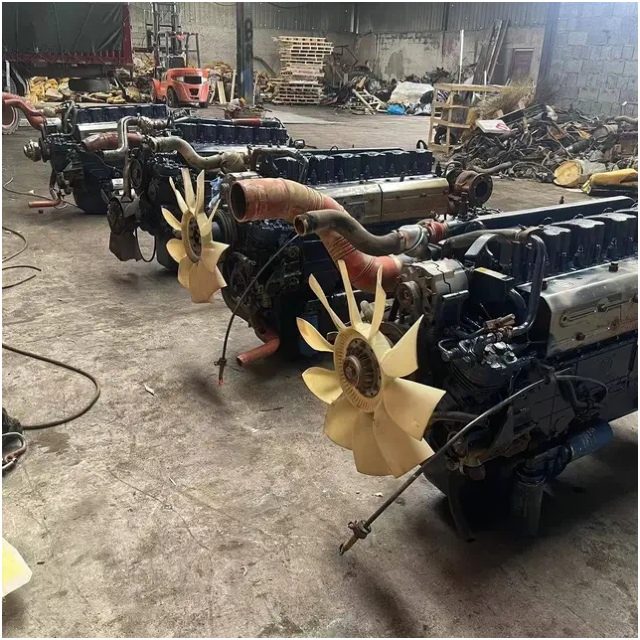
Even experienced buyers sometimes overlook secondary expenses that significantly influence total cost.
Installation labor varies based on engine complexity and site conditions. Efficient planning minimizes downtime, which often represents the largest hidden cost in engine replacement projects.
Before commissioning a used engine, consumable items should be replaced to ensure reliable operation. These costs are modest individually but add up when not planned in advance.
Some transactions involve deposits or conditions related to core returns. Understanding these terms early helps prevent disputes and delays after delivery.
Cost Item | Typical Range | What Changes It | What to Ask the Seller |
Engine unit | Varies by model | Brand, condition, testing | What components are included |
Testing & inspection | Low to moderate | Type and depth of tests | Are test reports available |
Shipping & packing | Moderate to high | Distance, urgency, size | How is the engine protected |
Installation labor | Variable | Engine complexity | Estimated installation hours |
Consumables | Low to moderate | Engine size | What should be replaced first |
A clear and complete inquiry benefits both buyer and supplier by reducing delays and misunderstandings.
Providing the engine model or serial number, application details, and clear photos helps suppliers identify compatible options quickly. This information reduces the risk of mismatch and speeds up the quotation process.
Requesting test reports, running videos, and packing photos improves transparency. These materials allow buyers to evaluate condition remotely and make informed decisions without unnecessary delays.
Used engines are not simply a lower-cost alternative; they are often a strategic choice. For equipment with proven service life, a used engine can restore functionality quickly while preserving capital for other investments. Many buyers prioritize uptime and flexibility over owning brand-new components, especially in project-based industries where timelines are critical.
KELUO supports these buyers by offering used engines that are carefully selected and inspected to meet practical operating requirements. Our experience in hydraulic power and construction machinery allows us to understand real-world application needs rather than focusing solely on specifications.
Cost decisions should always reflect how the engine will be used. An engine powering a continuously operating machine requires a different risk tolerance than one used intermittently. By aligning budget expectations with application demands, buyers can avoid overpaying for unnecessary features or underestimating reliability requirements.
A realistic engine budget separates the engine unit, testing, delivery, and installation into clear components. This layered approach helps buyers compare options objectively and avoid surprises. KELUO supplies a wide range of used engines for construction machinery and industrial equipment, combining careful inspection with global delivery experience. If you are evaluating options and want a clearer picture of pre-owned engine pricing, contact us to discuss your application and receive a practical quotation tailored to your needs.
Prices vary widely depending on engine size, brand, condition, and testing level. Shipping and installation should always be included in the total budget.
Not necessarily, but engines with proper inspection and documentation often reduce risk and downtime, which can improve overall value.
Providing engine model or serial number, application details, and photos allows suppliers to offer accurate pricing more quickly.
Yes. KELUO works with customers worldwide and provides support for export packing, logistics coordination, and application matching. Contact us to learn more.


