


Views: 0 Author: Site Editor Publish Time: 2026-10-02 Origin: Site


Procuring a road roller is more than a simple equipment purchase. You must treat it as a critical risk-management decision. Improper compaction inevitably leads to structural failure. It causes costly rework and heavily delays project handovers. Contractors and fleet managers face a difficult challenge today. They must differentiate between superficial marketing specifications and actual jobsite performance variables. You have to carefully evaluate soil composition, layer thickness, and spatial constraints. This article outlines a definitive, evidence-based framework for choosing machinery. We will help you align machine capabilities directly against specific engineering outcomes. You will learn how to match equipment to various materials. We guide you through essential sizing parameters and operational risks. You will discover the key technical specifications driving true performance. Proper selection secures operational efficiency. It guarantees your projects pass strict density tests effortlessly.
Material dictates the machine: Asphalt, cohesive soils, and granular materials require completely different drum types and vibration profiles.
Size must match scope: Operating weight directly impacts compaction depth; selecting a mini road roller or a heavy-duty unit depends entirely on site access and target density.
Specs over aesthetics: Amplitude, frequency, and static linear load are the true indicators of a road roller compactor's efficiency.
TCO goes beyond price: Logistics, maintenance accessibility, and operator training requirements heavily influence long-term ROI.
Contractors cannot use a one-size-fits-all approach for earthworks and paving. You must match the drum type directly to your jobsite material.
These machines dominate site preparation and base-layer work. You will typically find two main drum variations on jobsites.
Smooth Drum: Operators use smooth drums for granular soils. They work best on sand, gravel, and crushed rock. The smooth steel cylinder provides even static pressure.
Padfoot/Sheepsfoot Drum: Cohesive soils require an entirely different approach. Clay and silt hold moisture tightly inside their structures. A padfoot drum uses tapered lugs to penetrate soil. This action creates a deep kneading effect underground. It breaks material bonds effectively to remove trapped air.
Best Practice: Always test soil moisture before using a padfoot roller. Excessively wet clay will clog the drum lugs rapidly.
Paving crews rely heavily on tandem rollers everywhere. These units feature dual vibrating steel drums. Manufacturers design them specifically for asphalt paving and surface finishing. A modern road roller compactor of this type provides high-efficiency coverage. The dual drums ensure a perfectly smooth, flat surface. You must use a continuous water spray system here. Water prevents hot sticky asphalt from clinging to steel.
Pneumatic rollers look quite different from steel drum models. They use multiple staggered rubber tires across their width. These tires provide uniform static pressure across the surface. Paving teams use them frequently for sealing asphalt surfaces. The rubber tires manipulate the material gently beneath them. This kneading action eliminates hairline cracks completely. They also excel at compacting varied mixed soil types.
Trench work presents severe safety hazards to human operators. Trench rollers solve this dangerous problem directly. These are remote-controlled, specialized units for tight spaces. Crews use them for pipeline and utility trench compaction. The operator stands safely above the trench edge. They steer the machine using a wireless remote control. This removes personnel completely from cave-in danger zones.
Table 1: Equipment Application Matrix
Equipment Type | Primary Material | Key Benefit |
|---|---|---|
Single-Drum (Smooth) | Granular Soils | High static linear pressure |
Single-Drum (Padfoot) | Cohesive Soils (Clay) | Breaks material bonds |
Double-Drum (Tandem) | Asphalt | Smooth surface finishing |
Pneumatic Tire | Asphalt/Mixed Soils | Seals hairline cracks |
Trench Roller | Trench Backfill | Operator safety |
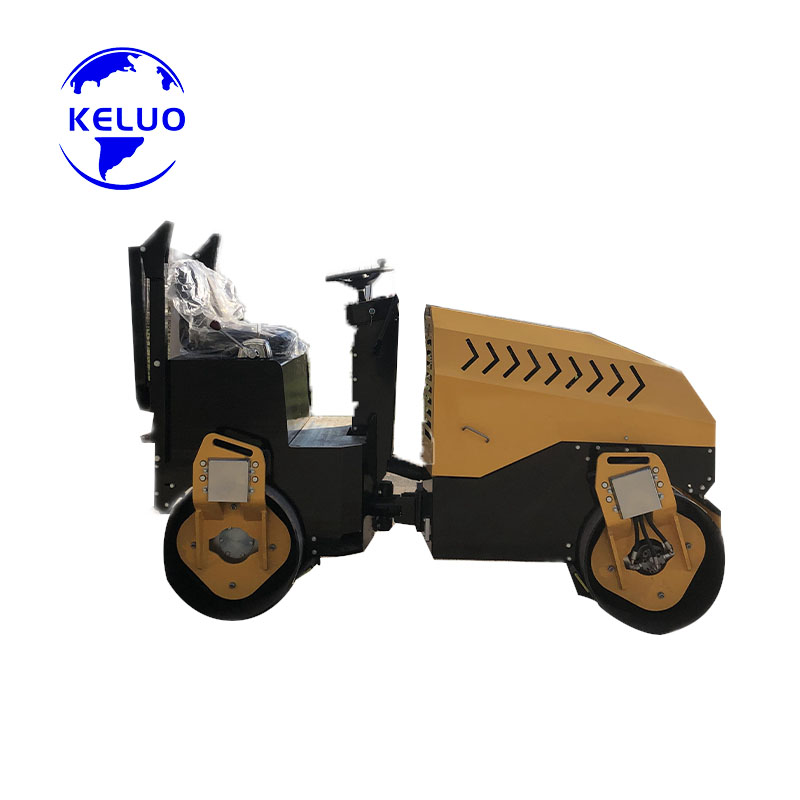
Operating weight directly dictates your overall compaction capability. You must match the machine size to your project scope.
Small projects demand extreme maneuverability and precision. Contractors use compact machines for driveways, patch repairs, and walking paths. They fit easily into tight urban job sites. A 2 ton road roller offers exceptional value for residential work. Operators can transport it on a standard utility trailer easily. You do not need specialized heavy-haul truck permits. Furthermore, a mini road roller prevents over-compaction on thin material layers. Heavy machines would simply crush the aggregates here.
Mid-size units offer a highly versatile middle ground. They tackle medium commercial parking lots perfectly. Municipalities use them heavily for secondary roads and shoulder work. These machines balance easy transportability efficiently. They still provide sufficient static weight for medium-depth lifts. Many rental fleets stock this size category extensively. They handle diverse daily construction tasks reliably.
Major infrastructure projects require massive static weight. You see these giant machines on highway construction sites. They excel at large-scale earthmoving operations and airport runways. Heavy-duty units compact deep lift layers very rapidly. Operators achieve required target density in fewer passes. However, they carry strict logistical requirements. You must arrange specialized heavy-haul transport vehicles. They also consume significantly more fuel during operation.
Common Mistake: Using a heavy-duty roller on a thin material layer often causes structural rebound. Always match your drum weight to the layer thickness.
Successful compaction equipment selection relies on data, not visual appearances. You must evaluate four critical performance metrics carefully.
Frequency measures how fast the heavy drum vibrates. High frequency works best for thin lifts and asphalt. It prevents unwanted aggregate crushing during the pass. Operators use low frequency specifically for thick material lifts. It suits heavy, deep soil profiles perfectly. You must match frequency settings to your specific material.
Amplitude describes the vertical travel distance of the drum. High amplitude delivers maximum physical force downward. It pushes energy deep into dense soil layers. Low amplitude provides a much gentler physical impact. Operators use low amplitude for smooth asphalt wear courses. Many modern machines offer dual-amplitude settings standard. This feature increases overall jobsite versatility immensely.
Static linear load is a fundamental baseline measurement. It calculates machine weight distributed across the drum width. Engineers use it to assess baseline static capability. High static linear load guarantees better deep-layer consolidation. You must verify this number before bidding on roadwork. It proves your machine can meet strict municipal standards.
Many jobsites feature dangerously steep inclines. Dam construction and steep embankments demand exceptional traction. Gradeability indicates the maximum slope a machine can climb safely. Dual-drive systems reduce slipping on loose materials effectively. They deliver power to both the drum and rear wheels. This ensures continuous forward momentum on difficult terrain.
Technical specs only tell half the project story. You must account for real-world operational challenges daily.
Moving heavy equipment requires careful advance planning. You must assess driver license requirements early. Different regions enforce varying permit rules for heavy loads. Evaluate specific route restrictions carefully before transport. Bridge weight limits might block your shortest travel path. Small units avoid these massive logistical headaches entirely.
More weight does not always equal better results. Using excessive amplitude shatters stone aggregates easily. It forces the subbase material to lose structural integrity quickly. Over-compaction often causes frustrating structural rebound. The ground literally bounces back behind the heavy drum. This leads to failing density tests almost immediately.
Cities now enforce strict environmental regulations constantly. You must factor in local emissions standards during procurement. Advanced engines meet current outdoor requirements easily. However, indoor or enclosed urban bidding requires much more. You may need to opt for emerging electric compactors. They eliminate harmful exhaust emissions completely from the site.
Operator fatigue leads to dangerous jobsite errors quickly. You should evaluate cabin visibility thoroughly during testing. Protective cab structures are mandatory for safe operation. Look for advanced vibration isolation systems inside the cab. They protect the operator from severe physical strain. Intuitive control layouts minimize new operator training time significantly.
We recommend a systematic approach for acquiring new machinery. Follow these specific steps to ensure operational alignment.
Define the Primary Use Case: Map the exact materials you will compact. Identify the lift thicknesses of your upcoming contracts. Evaluate space constraints thoroughly before making decisions.
Dealer Support & Parts Availability: A machine is only as good as its uptime. Evaluate the vendor support agreement carefully. Check their response time for emergency field service. Verify they stock replacement parts locally.
Rent vs. Buy Check: Run a careful utilization analysis. Buy the equipment if utilization exceeds seventy percent annually. Ensure you have predictable material types for purchased units. Rent the equipment for unusual niche applications. For example, rent a padfoot roller for one specific clay project.
This framework minimizes unnecessary capital expenditure. It ensures you deploy the exact right tool every time.
Successful equipment deployment requires deep technical alignment. You must match machine specifications directly to jobsite materials. Granular soils, cohesive clay, and hot-mix asphalt behave differently. They react to pressure in unique ways. Choosing between a compact roller and a heavy-duty titan matters. It dictates your overall operational efficiency completely. Proper selection protects your project from structural failures. It prevents expensive rework from ruining project profitability.
We highly encourage buyers to take action before procuring. Consult directly with an equipment specialist today. Review your specific site schematics together in detail. Always request a physical operational demo onsite. Testing the equipment on your actual material removes all guesswork. Make your next equipment decision an evidence-based success.
A: Industry professionals often use these terms interchangeably. However, a compactor serves as a broader category. It includes walk-behind plates, jumping jack rammers, and heavy landfill machines. A road roller specifically denotes heavy, ride-on drum machinery. Rollers use large steel cylinders or pneumatic tires to flatten surfaces effectively.
A: You should choose this size specifically for space-restricted areas. They excel at driveway construction, walking paths, and tight urban patches. Operators use them for thin asphalt lifts. They provide rapid, low-cost mobilization since they fit on standard utility trailers easily without special permits.
A: You can, but it is rarely optimal. Using a smooth single drum on both materials is physically possible. However, asphalt requires continuous water spray systems to prevent sticking. Conversely, deep soil compaction needs much higher amplitude and sometimes a padfoot drum. Dedicated machines perform significantly better.


