


Views: 0 Author: Site Editor Publish Time: 2026-10-01 Origin: Site


A failed hydraulic pump on a road roller halts the entire paving or compaction crew immediately. This sudden downtime causes severe project delays. It also creates compounding daily expenses for contractors. Selecting the right variable piston pump goes far beyond a simple parts replacement. It stands as a highly critical engineering decision. Your choice directly impacts compaction consistency, machine uptime, and overall fleet maintenance overhead. You need a reliable system designed for extreme endurance.
This guide breaks down the exact technical specifications you must review. We will explore operational risks and strict benchmarking criteria. You will learn how to evaluate continuous pressure ratings and fluid dynamics accurately. We provide the actionable knowledge required to make an informed procurement or replacement decision today.
Road rollers operate under brutal conditions every single day. These machines endure continuous high-load cycles. They generate harsh internal vibrations purposefully. They also face severe environmental heat and heavy airborne dust. These unique stresses demand highly resilient hydraulic components. Standard industrial pumps often fail in these mobile environments. Paving equipment requires specialized solutions designed specifically for extreme dynamic loads.
Variable displacement pumps differ drastically from fixed displacement models. You must use variable piston units to manage modern vibratory systems. Fixed pumps deliver a constant flow. This limits operational flexibility severely. Variable models allow operators to adjust flow rates dynamically on the fly. They enable independent control of the machine's travel speed. They also manage the eccentric vibratory force accurately. This separation proves essential for achieving optimal soil or asphalt density. Using a fixed displacement alternative guarantees uneven compaction and failed site inspections.
A successful pump integration requires meeting strict operational criteria. We define field success through measurable physical outcomes. Operators need flawless performance throughout the entire workday.
Any drop in volumetric efficiency affects the eccentric weights inside the steel drum. This directly ruins the final paving finish. You must demand absolute reliability.
When you evaluate a road roller hydraulic pump, you must analyze specific technical metrics. Flow rate and pressure ratings sit at the very top of this list. Many buyers confuse peak pressure with continuous operating pressure. Peak pressure represents a brief burst limit. Continuous operating pressure reflects the daily workload capacity. Rollers run at high pressures for hours at a time. You must prioritize the continuous rating. Relying on peak metrics leads to rapid component destruction.
Control mechanisms dictate how the unit communicates electrically. Modern rollers utilize central Electronic Control Units (ECUs). The pump must interface seamlessly with these computers. Load sensing controls adjust fluid flow based on immediate mechanical demand. This prevents wasted engine energy. Proportional pressure controls allow micro-adjustments to the vibratory frequency. You must verify compatibility between the hydraulic controls and your machine's primary ECU.
Mounting and shaft compatibility remain equally vital for a smooth installation. Heavy-duty mobile equipment adheres closely to standardized SAE measurements. You must match the SAE flange dimensions exactly. Typical machines use SAE C or SAE D mountings. You also need the correct splined shaft tooth count. Common configurations include 13-tooth or 14-tooth splines. Mismatched shafts cause severe retrofitting delays. They also introduce slight alignment errors. Even minor alignment errors destroy internal bearings quickly.
Hydraulic Pressure Rating Comparison
| Pressure Type | Engineering Definition | Relevance to Mobile Compaction |
|---|---|---|
| Continuous Pressure | Maximum sustained pressure over an unlimited timeframe. | Highly Critical. Drives continuous drum vibration. |
| Peak Pressure | Absolute maximum mechanical limit for fractional seconds. | Low. Only handles brief system spikes. |
| Standby Pressure | Maintained baseline pressure when no flow is required. | Moderate. Ensures instant component response times. |
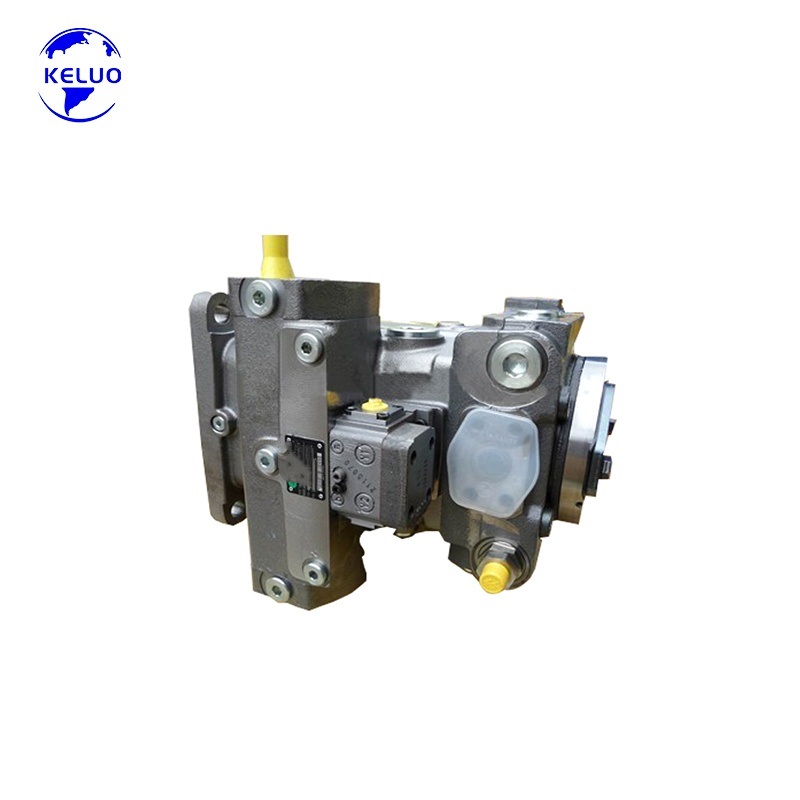
Engineers often need a reliable baseline for heavy-duty open-circuit operations. The Rexroth A7VO107 piston pump serves this exact purpose perfectly. This specific model defines the durability standard for mobile compaction equipment. It features a rugged bent-axis design. This specific architecture provides exceptional volumetric efficiency.
This unit works exceptionally well for rollers due to its mechanical construction. It utilizes robust tapered roller bearings. These engineered bearings withstand extreme radial loads easily. Road rollers transfer heavy vibrations directly back through the hydraulic driveline. Weak bearings shatter under this continuous stress. The high power density of this benchmark model ensures continuous field performance. It delivers maximum hydraulic force without occupying excessive engine compartment space.
You must apply a strict framework when evaluating aftermarket equivalents. Some fleet managers prefer OEM parts purely for warranty safety. Others look for high-tier aftermarket solutions to reduce lead times. Any alternative choice must match the original specifications closely. It must achieve the same proven volumetric efficiency. It must handle identical bearing load ratings. Do not accept a lighter-duty substitute designed for agricultural use. The harsh operating environment will destroy inadequate replacements within weeks.
Heat serves as the primary enemy of any closed or open hydraulic system. Variable piston pumps generate significant heat naturally. They create internal friction during constant pressure compensation. You must monitor the unit's internal leakage meticulously. Engineers call this specific fluid bypass the case drain flow. Excessive case drain flow indicates severe internal mechanical wear. It also creates a massive heat load. A premium road roller hydraulic pump actively circulates fluid to manage these dangerous thermal spikes.
Contamination resistance determines ultimate survivability on the job site. Paving environments generate massive amounts of abrasive silica dust. You must evaluate the component's sensitivity to fluid contamination. Look at the required ISO 4406 cleanliness codes. Reputable heavy-duty systems usually demand 18/16/13 fluid purity. Avoid manufacturers promising entirely maintenance-free operation. Dust always finds a way into mobile fluid reservoirs. Micron-level filtration remains an absolute operational necessity. You must change your filters rigorously.
Fluid viscosity requirements add another layer of operational complexity. Rollers operate in freezing mornings and blistering summer afternoons. Pumps must handle specific multi-grade hydraulic fluids safely. Common fluids include ISO VG 46 or ISO VG 68. These specialized fluids maintain stable viscosity across extreme temperature variations. If the fluid thins too much, internal metal parts collide. If it remains too thick, cavitation occurs instantly. Always verify the required viscosity index compatibility before turning the ignition key.
Procuring the right hardware solves only half the maintenance puzzle. Implementation introduces massive operational risks. Improper installation causes immediate premature failure. Case drain lines represent the most common installation pitfall globally. Mechanics often route them incorrectly above the reservoir fluid level. You must also manually prime the pump housing with clean fluid before the initial start-up. Dry starts destroy brass slippers and valve plates in mere seconds.
System flushing remains a highly non-negotiable step. A previous internal failure scatters metal debris throughout the rubber hoses. Installing a new unit without flushing guarantees immediate wear. The old debris will cycle directly into the new tight-tolerance components. A complete system flush using a kidney loop protects your investment. You must also perform a comprehensive hydraulic filter change. Skipping this essential step often invalidates manufacturer warranties entirely.
Follow a strict shortlisting logic to secure the best replacement parts. We recommend a simple three-step procurement checklist.
These structured steps eliminate costly guesswork. They ensure you receive the correct hardware quickly and safely.
Evaluating variable piston pumps requires deeper technical insight than standard parts replacement. You must look past the initial purchase price entirely. Focus your efforts on securing operational uptime. Prioritize precise compaction control and proven thermal stability. The right component keeps your paving crew moving efficiently forward.
Ignoring bearing load capacities or continuous pressure ratings leads to catastrophic project delays. Take immediate action before finalizing any purchase. Pull your machine's specific serial number from the chassis. Locate the factory hydraulic schematic. Consult a dedicated hydraulic specialist. Provide them these exact documents. This verification process prevents costly retrofitting errors and guarantees optimal performance in the field.
A: A high-quality unit typically lasts between 8,000 and 10,000 operating hours. This lifespan depends heavily on rigorous fluid maintenance. You must adhere strictly to scheduled filter changes. Operating at continuous maximum pressure or neglecting fluid cleanliness reduces this lifespan dramatically.
A: Yes, you can use aftermarket alternatives successfully. However, you must verify all technical specifications first. The volumetric efficiency, control type, and bearing load ratings must perfectly match the OEM unit. Do not install lighter-duty agricultural pumps on heavy-duty paving equipment.
A: Look for sluggish vibratory response or inconsistent travel speeds. Excessive heat radiating from the case drain line indicates severe internal leakage. You might also hear unusual whining or groaning noises. These sounds typically indicate internal cavitation or immediate bearing failure.


