


Views: 0 Author: Site Editor Publish Time: 2026-10-08 Origin: Site


Modern rotary drilling rigs require simultaneous, high-demand mechanical actions. Operators need continuous rotary head torque alongside heavy crowd force. Alternatively, they require steady main winch lifting. Relying on single-pump hydraulic systems to distribute flow across these competing functions frequently causes problems. Operators regularly experience flow saturation under heavy loads. They also see parasitic heat generation and frustrating cycle-time delays.
Upgrading or specifying double hydraulic pumps provides independent circuits for critical functions. This targeted approach resolves internal flow conflicts entirely. It also extends expensive component life significantly. The host machine's PTO (Power Take-Off) must simply support the dual-drive architecture. You will learn why single-circuit systems fail during heavy operations. We will explore the precise engineering benefits of dual-circuit designs. Finally, we evaluate core criteria for selecting the optimal hydraulic upgrade to maximize rig performance.
When drilling rigs use single-circuit systems, they encounter severe physical limitations. Flow saturation happens frequently in complex geological conditions. Imagine the rotary head hitting a dense hard rock formation. Simultaneously, the operator engages the crowd cylinder to maintain downward pressure. Single pumps naturally route fluid toward the path of least resistance. This fundamental physical reality causes erratic rig behavior. The crowd cylinder might suddenly accelerate uncontrollably. Meanwhile, the rotary head stalls completely under the heavy torque load.
Thermal degradation follows closely behind flow saturation. Single pumps rely on proportional flow divider valves to split fluid. These restrictive valves create massive pressure drops across the circuit. When fluid hits a proportional valve, the valve spools shift. They restrict flow to create pressure differentials. This restriction generates enormous friction. The hydraulic fluid absorbs this friction energy as raw heat. High temperatures accelerate oil oxidation rapidly. Heat breaks down the chemical additives inside the oil. Viscosity drops rapidly. Thinner oil leaks past internal cylinder seals easily. This internal leakage creates even more heat. It becomes a destructive cycle. The entire system eventually overheats.
Fuel inefficiency heavily plagues single-pump setups. The diesel engine suffers immense mechanical strain. A single pump operates continuously at maximum displacement. It desperately tries to feed multiple demanding circuits simultaneously. The engine works much harder than necessary. This constant maximum load burns excessive fuel. It also increases mechanical wear across the entire powertrain. Operators waste money on wasted hydraulic horsepower.
Dual-circuit architecture solves the fundamental flaws of single-pump designs. Circuit isolation stands as the absolute primary advantage. A double pump assembly dedicates Pump A exclusively to primary rotation. Pump A connects directly to the rotary drive motor. It handles the heavy rotational torque requirements. Pump B handles auxiliary functions exclusively. Pump B connects to the main winch and crowd cylinder directional valves. They operate completely independently. Flow conflicts disappear entirely.
When the rotary head hits granite, pressure spikes in Pump A. Pump A automatically destrokes to maintain maximum pressure. It achieves this without stalling the engine. Meanwhile, Pump B continues delivering full flow to the crowd cylinder. The operator maintains perfect downward pressure. The two circuits never fight for the same fluid supply.
Constant power control further enhances rig performance. Mechanical horsepower equals flow multiplied by pressure. Dual pumps monitor this equation continuously. Dual variable-displacement pumps automatically adjust flow based on pressure demands. If pressure rises, the pump automatically reduces flow. This keeps the total horsepower demand below the engine's maximum limit. They keep the engine RPM perfectly stable. You easily avoid engine lugging during tough drilling conditions. The system matches hydraulic output perfectly to actual load requirements. The engine never bogs down or emits black smoke.
Cycle time reduction directly impacts overall site productivity. Operators can lift the heavy winch and rotate the drill string simultaneously. They experience zero drop in engine RPM. They feel no hydraulic hesitation at the controls. This overlapping operational capability saves valuable seconds on every single pass. Saving fifteen seconds per cycle adds up to hours of saved time per week.
Selecting a reliable rotary drilling rig hydraulic pump requires rigorous technical evaluation. You must assess volumetric efficiency against peak pressure. High internal leakage aggressively reduces mechanical performance. A brand new pump offers excellent volumetric efficiency. Over time, internal clearances widen. Efficiency drops steadily. You lose valuable theoretical flow to internal leakage. This leakage generates extreme heat. Measure how much flow escapes internally at peak operating pressures. Drilling applications typically demand operating pressures between 300 and 350 bar. You must select pumps built to maintain tight clearances at 350 bar.
Control logic compatibility remains equally crucial for seamless integration. Evaluate the specific necessity of Load Sensing (LS) controls. Assess Cross-Sensing (LR) controls for dual horsepower management. LS systems use a small signal line. This line connects the main control valve back to the pump. When the operator moves a joystick, the valve sends a pressure signal. The pump reads this signal. It immediately increases flow to match the exact demand. The pump must communicate accurately. It must synchronize perfectly alongside the rig’s main control valve.
Drilling environments constantly feature high dust levels. They also generate severe structural vibrations. You must strictly evaluate contamination tolerance. Review the pump's sensitivity to microscopic fluid particulates. Adhere strictly to ISO 4406 cleanliness code requirements. We strongly recommend maintaining a 20/18/15 cleanliness standard for optimal longevity.
Serviceability dictates long-term field maintenance success. Assess the accessibility of the integrated charge pump. Check the overall ease of replacing shaft seals directly in the field. Extended downtime costs contractors money daily.
Hydraulic Pump Evaluation Matrix
| Evaluation Parameter | Key Metric | Ideal Target Range |
|---|---|---|
| Volumetric Efficiency | Flow loss at peak pressure | > 92% at 350 bar |
| Contamination Tolerance | ISO 4406 Cleanliness Code | 20/18/15 minimum |
| Control Logic | Response Time (Standby to Full Flow) | < 50 milliseconds |
| Suction Velocity Limit | Maximum fluid speed at inlet | < 1.2 meters per second |
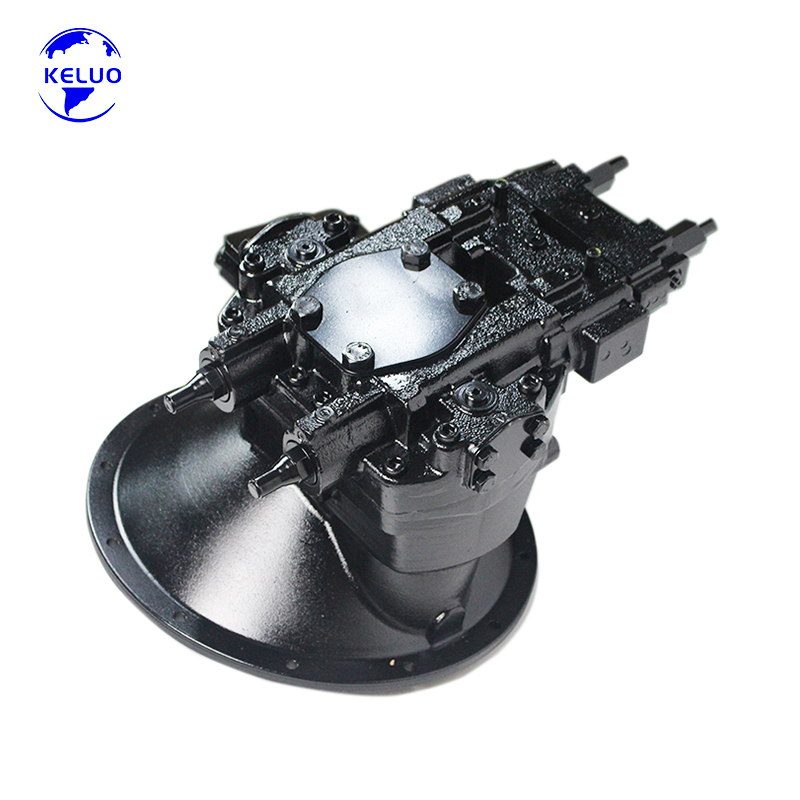
Industry professionals need highly reliable decision-stage benchmarks. The Rexroth A8VO120 double pump serves this exact purpose perfectly. It sets the baseline standard for 120cc-class dual displacement pumps.
Power-to-weight ratio remains a critical engineering specification. Space inside a modern rig's engine canopy is exceptionally tight. This model offers a highly compact overall design. It fits into constrained engine spaces effortlessly.
Operational durability defines its long-term financial value. The mechanical architecture provides distinct advantages in harsh environments.
Inline swashplate pumps use a flat plate to drive pistons. Bent-axis pumps angle the entire rotating group instead. This geometry creates a larger structural bearing spread. It handles massive torsional vibrations much better. Rotary drilling creates intense constant vibrations. The bent-axis design absorbs these mechanical shocks easily.
We must maintain strict objectivity regarding known operational limitations. No hydraulic component is perfect.
High viscosity oil resists flowing into the pump inlet. Thick oil creates a strong internal vacuum. This vacuum pulls dissolved air out of the fluid. Imploding air bubbles destroy internal metal surfaces rapidly. Operators must install tank heaters in cold climates.
Retrofitting dual pumps involves substantial mechanical integration risks. PTO gearbox torque limits require immediate verification. Installing a double pump dramatically increases the torque demand. A 120cc single pump demands a specific torque value. Adding a second 120cc rotating group doubles that demand instantly. The engine's PTO spline absorbs this massive extra force. The PTO spline transfers this entire load from the engine flywheel. Standard splines often shear under this doubled stress. You must verify shaft shear strength carefully. Ensure the internal gearing can handle the combined peak torque. You might need to upgrade the PTO drive hub completely.
Suction line sizing often trips up field installation teams. Fluid travels from the reservoir to the pump inlet. Atmospheric pressure pushes the fluid forward. It cannot overcome heavy line restrictions. Double pumps draw significantly more fluid from the reservoir. Existing suction lines are often too narrow. Narrow lines restrict fluid flow dangerously. If the suction hose remains too small, velocity increases. High velocity creates high fluid turbulence. Turbulence leads directly to severe pump cavitation at high engine RPMs. You will likely need to install wider suction hoses. Maintain suction velocity below 1.2 meters per second.
Filtration upgrades represent another mandatory integration step. Dual-circuit systems pass much more fluid volume per minute. You must assess return-line filter capacities thoroughly. You must also evaluate pressure-line filter micron ratings. Upgrading these prevents catastrophic cross-contamination between independent circuits.
Upgrading your standard rotary drilling rig hydraulic pump demands comprehensive system checks. Do not simply bolt on a new unit blindly. Mechanical preparation ensures long-term operational success.
Procurement requires careful strategic planning. Weigh the reliability of sourcing direct-from-manufacturer OEM pumps. Compare them carefully against certified remanufactured units. Factor in current global supply chain lead times. OEM units offer comprehensive factory warranties. Remanufactured units often provide much faster availability. Sourcing decisions dictate your overall project timeline.
Vendor support heavily influences long-term deployment success. Shortlist suppliers based on their specific technical capabilities. They must provide exact flow-control calibration services. Every rig requires specific horsepower settings. The pump regulator features small mechanical adjustment screws. Technicians turn these screws to set the power curve. Factory calibration uses a specialized hydraulic test bench. The bench simulates actual drilling loads accurately. Technicians lock the adjustment screws once calibrated.
They should mechanically set the swashplate limits prior to shipping. Avoid purchasing "off-the-shelf" uncalibrated units. Uncalibrated pumps require highly expensive field tuning. Field mechanics lack specialized bench equipment. They must guess the settings using basic hand gauges. Guessing leads to poor rig performance. Uncalibrated units will significantly delay your rig deployment schedule. Always demand factory test reports before accepting delivery.
Transitioning to a dual-pump architecture is a necessary evolution. Rigs face intense high-torque demands continuously. They perform complex multi-function operations daily. Dual circuits effectively eliminate frustrating flow saturation. They drastically reduce heat generation and improve overall cycle times.
Ensure the mechanical infrastructure can safely support the upgraded hydraulic flow. Issue your purchase order only after confirming these technical prerequisites. Proper preparation guarantees a successful machinery upgrade.
A: Yes, provided the engine's PTO can handle the increased torque load and there is adequate physical clearance in the pump bay for a longer/wider assembly.
A: It generally reduces the strain on the cooler. By eliminating the need to force a single pump's output through restrictive flow dividers, less parasitic heat is generated.
A: With strict adherence to ISO fluid cleanliness standards and routine filter changes, these units typically reach 8,000 to 10,000 operating hours before requiring a major overhaul.
A: If the rig frequently stalls during simultaneous operations (e.g., pulling casing while rotating), rebuilding a single pump will not solve the design limitation. Upgrading to a double pump resolves the structural bottleneck.


